

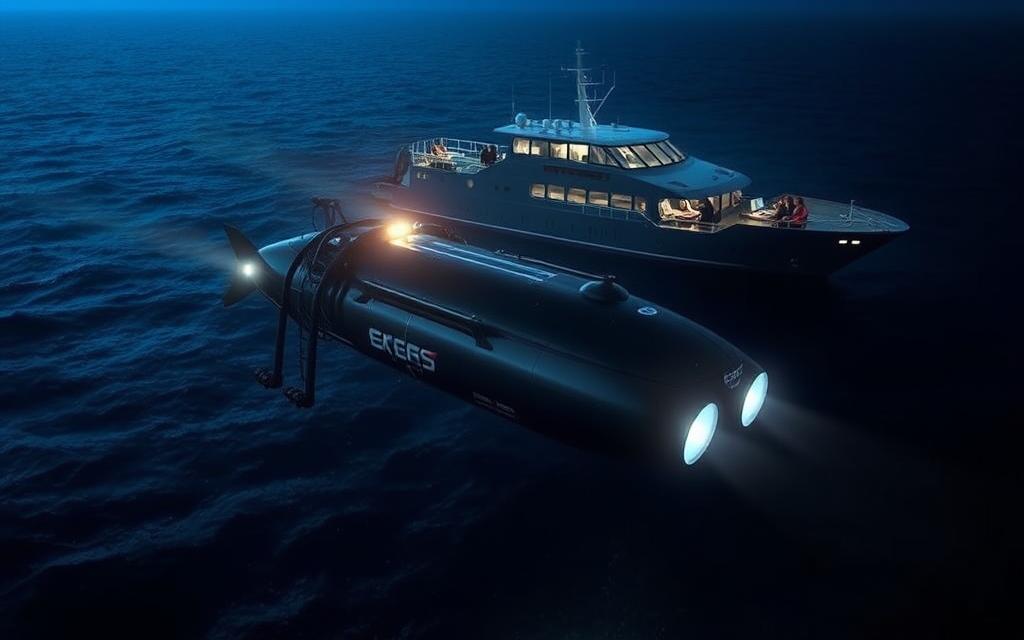
Oceanography has seen a huge change thanks to deep sea exploration technology. Scientists used to have limited ways to explore. Now, new tech uncovers the ocean’s deepest secrets.
National Geographic experts Angela M. Cowan and Julie Brown talk about this big change. They say oceanographic research advancements have changed everything. Now, we have tools that give us exact data, not just guesses.
Anyone researching has impacted oceanography may also want to understand plastic exploring science engineering before deciding on the best option.
These new tools help scientists get past old limits in studying the sea. This has made marine science a field full of detailed data. It’s now possible to do deep analysis.
The move from simple watching to using advanced tech has grown our knowledge. These new tools have revealed secrets that were hidden for ages.
The Evolution of Oceanographic Technology Through History
Oceanography has come a long way from simple observations to complex deep-sea studies. Early scientists faced huge challenges that made understanding the ocean hard.
Early Exploration Techniques and Limitations
In the 19th century, scientists used basic tools like weighted lines and buckets. These tools gave them some insight but were not very accurate.
The deep sea was a big problem for early explorers. At depths over 4,000 metres, the pressure was so high it could crush most equipment.
Also, the cold and dark made it hard to work. Without good lighting, seeing anything was impossible.
Related Posts:





Weather and sea conditions were also tough. Bad weather often stopped research, making it hard to get data.
These problems meant a lot of the ocean was a mystery. Scientists could only guess about deep-sea life.
The Advent of Modern Oceanographic Instruments
In the 20th century, new materials helped make better instruments. These could handle the extreme conditions of the deep sea.
Underwater cameras changed how we see the deep sea. They showed us amazing landscapes and creatures.
Sonar technology was a big step in mapping the ocean floor. It let scientists create detailed maps without touching the sea floor.
The biggest leap was the ROV underwater vehicles. These let researchers explore depths that were once unreachable.
Today, oceanography is based on solid evidence thanks to these advances. Each new tool built on the last, making research better and better.
Today’s ocean technology is built on these historical steps. The early challenges helped create the strong, reliable systems we use now.
How Has Technology Impacted the Study of the Oceans
Technology has changed ocean research a lot. It has opened up new ways to discover things. Now, scientists can explore places that were once too hard to reach.
Revolutionising Data Collection and Analysis
Old ways of studying the ocean were slow and limited. Now, we use digital systems that gather lots of data all the time.
NOAA researchers found a new jellyfish species using video. This shows how video can be as good as collecting samples. It’s cheaper and easier.
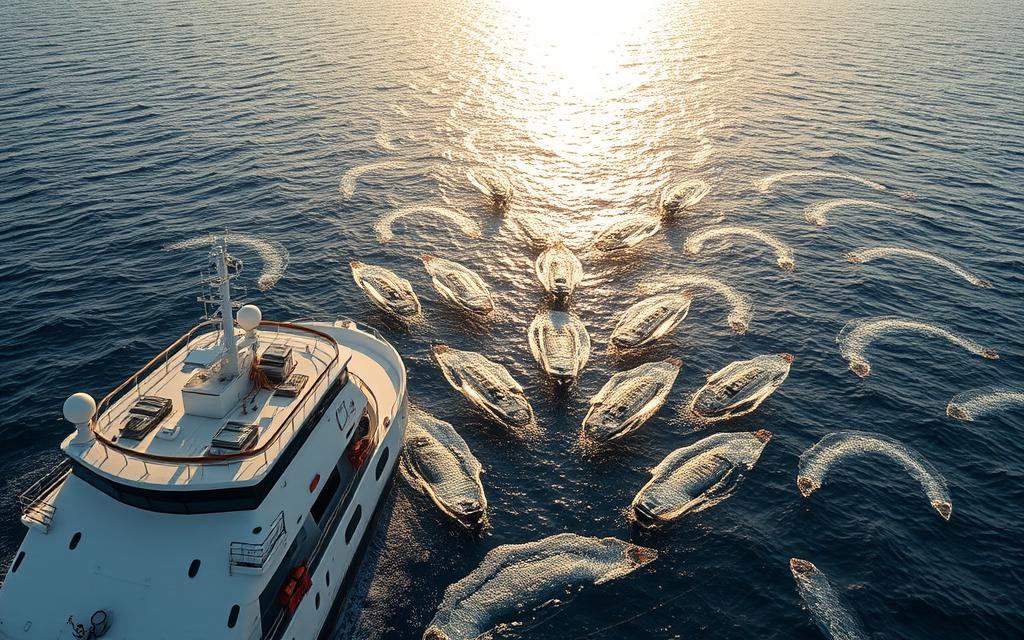
This change means scientists can study the ocean without harming it. They get more data than ever before.
Enhancing Deep Sea Exploration Capabilities
Technology has let us explore the deep sea like never before. We can now go to places that were once a mystery.
These tools have shown us new life forms and landscapes. The marine technology impact is huge. We now know more about life in the deep sea.
Exploration tools have made it possible to reach places we couldn’t before. This has led to discoveries that change how we think about life in extreme places.
Together, better ocean data collection and exploration tech are changing marine science. Scientists can now answer questions that were too hard before.
Key Technological Advancements in Modern Oceanography
Modern oceanography has seen big changes thanks to new technologies. These tools let scientists explore the ocean in ways we couldn’t before. They’ve greatly improved our understanding of the oceans.
Remote Sensing and Satellite Technology
Satellites have changed how we monitor the ocean. They give us data all over the world. This is a big step forward from what we could do before.
Satellite Altimetry and Ocean Surface Mapping
Altimetry systems measure sea height very accurately. They help map ocean currents, tides, and sea level changes. This is key for studying climate change and navigation.
These systems send radar pulses to the ocean and measure how long they take to return. This data makes detailed maps of the ocean’s surface.
Autonomous Underwater Vehicles and ROVs
New autonomous underwater vehicles have opened up deep-sea exploration. These robots can dive deep and explore places humans can’t.
ROV Systems for Deep Sea Research
NOAA’s ROV systems, like Seirios and Deep Discoverer, are top-notch. They have HD cameras and special lights for the dark depths.
The BlueView scanning sonar and Kraken Robotics SeaVision laser scanner can see beyond visible light. These tools are making oceanography research better.
The Medusa lander system used red light to film a giant squid. This shows how special lighting can study deep-sea creatures without scaring them.
Advanced Sonar and Mapping Systems
Modern sonar mapping technology has changed how we see the seafloor. It uses sound waves to map underwater landscapes. This reveals hidden features.
Multibeam sonar can map large areas of the seafloor with great detail. It shows us deep trenches and underwater volcanoes. This helps scientists understand the ocean and find marine life habitats.
Photogrammetry lets researchers make 3D models of underwater sites. It combines images to create detailed models of shipwrecks and reefs.
These mapping tools are vital for studying shipwrecks, finding resources, and monitoring the environment. They help us make better decisions for ocean conservation.
Breakthrough Discoveries Enabled by Technological Innovation
Oceanographic technology has opened up new discoveries that have changed how we see marine environments. These advances have shown us hidden worlds and given us key insights into climate changes.
Deep Sea Vent Ecosystems and Biodiversity
Advanced underwater imaging systems have changed our understanding of deep-sea ecosystems. The discovery of hydrothermal vent communities is a major breakthrough in oceanography.
These ecosystems live in complete darkness, supported by chemosynthetic bacteria. ROVs with special cameras have shown us species we’ve never seen before.
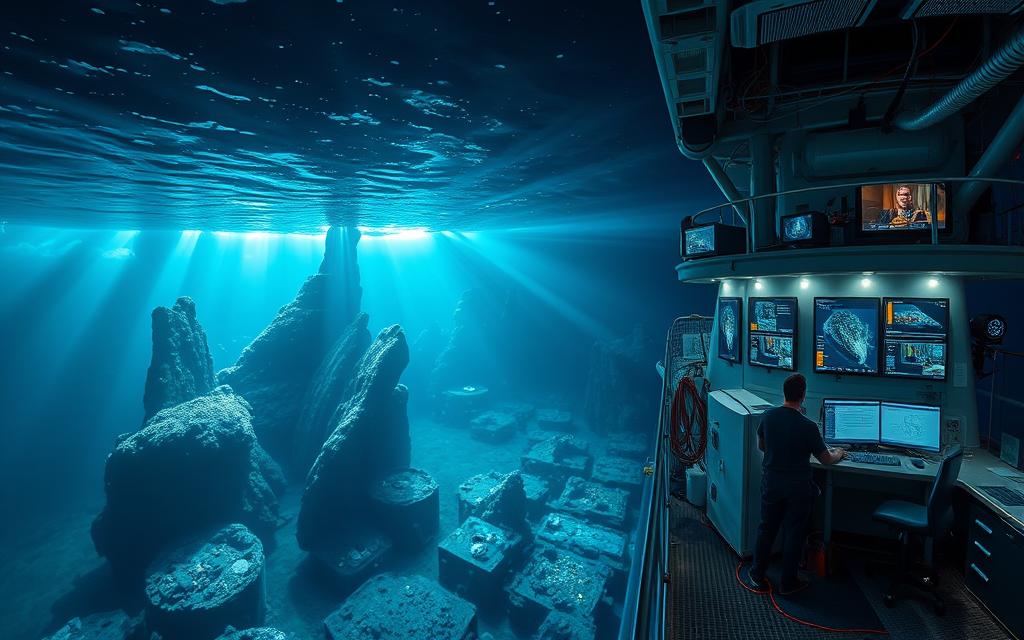
In 2019, scientists got the first footage of a giant squid in its home using the Medusa lander system. This tech used red light that deep-sea creatures can’t see, letting us watch without scaring them.
The discovery showed:
- Species adaptations we didn’t know about
- Complex food webs in extreme places
- New biological compounds that could help medicine
Climate Change Monitoring and Ocean Current Analysis
Technological progress has changed how we watch over the planet. Now, we have advanced sensor networks that give us constant updates on ocean changes.
These systems have shown us important changes in marine life. They tell us how ocean currents move heat and affect weather.
Modern monitoring tools include:
| Technology Type | Measurement Capability | Impact on Research |
|---|---|---|
| Autonomous floats | Temperature and salinity profiles | Global coverage every 10 days |
| Satellite altimetry | Sea surface height measurements | Current mapping and heat storage data |
| Acoustic Doppler systems | Current velocity profiling | Detailed water movement analysis |
These tools have turned single observations into full environmental monitoring systems. They give us vital info on the health of our planet and climate changes.
Now, scientists can track ocean chemistry changes with great accuracy. This helps us predict the future and plan for conservation.
Conclusion
Oceanographic technology has changed how we see the deep sea. It has moved from old methods to new, advanced systems. These systems show us worlds we never thought existed.
These changes have also changed how we understand marine life. They have brought new uses into our daily lives. This is thanks to the deep-sea discoveries.
These discoveries are now helping in medicine, creating new materials, and finding new energy sources. The future of underwater technology looks bright. It promises more discoveries in ocean climate monitoring and finding new resources.
Keeping up with new technology is key to learning more about our planet. It helps us understand big changes on Earth. It also helps us find answers to big environmental questions.