


A Bachelor of Science in Information Technology is a detailed undergraduate course. It teaches students key digital skills. It focuses on using computing systems and network infrastructure in real life.
The digital world is always growing, and so is the need for IT experts. Companies in healthcare, finance, and manufacturing need people who can handle complex tech systems.
The U.S. Bureau of Labour Statistics says jobs in computer and IT fields will grow 11% by 2029. This is much faster than most jobs.
People with a degree in IT get good pay. In May 2021, their average salary was $97,430. This is way above the national average.
Programmes like the University of Cincinnati’s course give students practical training. They learn to solve real problems in our digital world.
What is BS Information Technology: An Overview
A Bachelor of Science in Information Technology is a detailed undergraduate course. It teaches students the technical skills and analytical thinking needed in today’s digital world. This field combines computer science, information systems, cybersecurity, and software development. It makes professionals ready to tackle complex tech challenges.
The scope of IT is vast, covering more than just computer roles. It includes network infrastructure, data management, cloud computing, and digital security. As technology becomes key for daily operations, the need for skilled IT workers grows fast.
Experts say information technology is vital for modern business. It ensures efficiency, security, and innovation in all areas. With over 328 million terabytes of data daily, protecting and managing data is critical.
Related Posts:





“Information technology has transformed from a support function to a strategic business enabler, driving innovation and competitive advantage across industries.”
When you look at information technology degrees, you see they focus on practical skills. Students learn to use, manage, and fix tech solutions for real business problems.
The BS Information Technology degree prepares students for many roles. It teaches skills in system analysis, network administration, database management, software development, and cloud computing.
- System analysis and design methodologies
- Network administration and security protocols
- Database management and information architecture
- Software development and application support
- Cloud computing infrastructure and virtualisation
This education path is very versatile. Almost every industry needs tech professionals to keep operations running, protect data, and drive digital changes.
| IT Domain | Primary Focus | Industry Applications |
|---|---|---|
| Cybersecurity | Data protection and threat prevention | Financial services, healthcare, government |
| Network Systems | Infrastructure management and optimisation | Telecommunications, education, manufacturing |
| Software Development | Application creation and maintenance | Technology firms, retail, entertainment |
| Data Management | Information organisation and analysis | Research institutions, marketing, logistics |
Technology’s growing role in business means BS in Information Technology graduates have many job options. From startups to big companies, they look for people who can handle tech, business, and security needs.
This IT degree overview shows how it prepares adaptable professionals. The course mixes technical skills with business knowledge. This way, graduates can talk to both tech teams and business leaders.
As digital changes speed up, the value of a good IT education grows. The BS in Information Technology degree is a solid start for a career in this fast-paced, vital field.
Core Curriculum Components
A Bachelor of Science in Information Technology programme has a detailed IT curriculum. It aims to develop both theoretical and practical skills. The course structure introduces students to key technical areas through a series of core IT modules.

Fundamental Technical Foundations
Students start with the basics of hardware and software. These modules cover computer architecture, operating systems, and digital logic design.
The curriculum focuses on practical experience with modern tools and software. Students learn to fix hardware and set up system software through lab sessions.
Programming and Software Development Modules
Programming starts with foundational languages like C++. It helps students develop strong logical thinking. They learn about algorithms, data structures, and solving problems.
These modules then move to software engineering and the development lifecycle. Students learn to write efficient code and understand design patterns.
Networking and Infrastructure Studies
Networking modules teach students about LANs and WANs. They learn to configure and manage these networks. Students also get hands-on with routers, switches, and network protocols.
The curriculum also covers network security, wireless technologies, and cloud infrastructure. These skills are essential for networking roles in various organisations.
Database Management Systems Curriculum
Database modules focus on SQL for managing databases. Students work with industry-standard systems to improve their data handling skills.
They learn about database design, normalisation, and data integrity. Students also learn to optimise queries and secure sensitive information.
This approach ensures graduates can manage complex data environments. The course balances theory with practical skills.
Available Specialisations and Concentrations
An information technology degree lets you pick from many specialisations. These IT specialisations help you match your studies with your career goals. Most programmes offer these options in the later years.
Choosing a specialisation gives you deeper knowledge in certain tech areas. This can really help you stand out in competitive jobs.
Cybersecurity and Information Assurance
This focus prepares you to protect digital assets and systems. You’ll learn about network security, cryptography, and ethical hacking.
You’ll learn to spot and fix security weaknesses. You’ll also get into digital forensics and how to handle security incidents.
After graduating, you might become a security analyst or information assurance specialist. This area is key for fighting cyber threats.
Data Analytics and Business Intelligence Focus
This specialisation teaches you to turn data into useful business insights. You’ll study statistical analysis, data mining, and how to present data.
You’ll use tools and programming languages like Python and R. You’ll learn to find patterns and trends that help businesses make decisions.
Graduates are in demand for data science and business intelligence roles. The skills you gain are valuable in many industries.
Cloud Computing and Virtualisation
This area covers cloud infrastructure and virtual networks. You’ll learn about cloud service models and how to deploy them.
You’ll get hands-on experience with AWS, Azure, and Google Cloud. You’ll also learn about Virtual Desktop Interface (VDI) technologies.
After graduating, you could become a cloud architect or virtualisation specialist. This specialisation is important as more businesses move to the cloud.
Web and Mobile Application Development
This focus is on making web and mobile apps. You’ll learn everything from starting a project to launching it.
You’ll study programming languages, frameworks, and how to design user experiences. You’ll also learn how to keep and update apps.
Graduates often become front-end developers or mobile app specialists. This specialisation is in high demand as more apps are needed.
| Specialisation | Primary Focus Areas | Career Pathways | Key Skills Developed |
|---|---|---|---|
| Cybersecurity | Network security, cryptography, ethical hacking | Security analyst, information assurance specialist | Threat detection, security implementation |
| Data Analytics | Statistical analysis, data mining, visualisation | Data scientist, business intelligence analyst | Pattern recognition, insight generation |
| Cloud Computing | Cloud infrastructure, virtual networks, VDI | Cloud architect, virtualisation specialist | Cloud deployment, resource management |
| Web/Mobile Development | Application lifecycle, UX design, programming | Front-end developer, mobile app specialist | Cross-platform development, user experience |
Admission Requirements and Programme Structure
Understanding the admission process and programme framework is key for those thinking about a Bachelor of Science in Information Technology. This section covers the typical entry requirements for IT degree programmes. It also explains the structure that defines the educational journey.

Academic Prerequisites and Entry Criteria
Most universities ask for a high school diploma or an equivalent qualification. They often prefer maths and science backgrounds, like calculus or computer science.
Universities also look at standardised test scores. Some programmes might ask for letters of recommendation or personal statements. These show your interest in technology fields.
International students need to show they can speak English well. This is to ensure they can handle the technical curriculum and work on projects with others.
Programme Duration and Credit Requirements
A full-time Bachelor of Science in Information Technology usually takes four years. Students might wonder how long a BSIT programme is. Some schools offer faster options.
The curriculum includes about 120 credit hours. These are split into core IT subjects, general education, and elective courses for specialisation.
Many programmes allow students from associate degree programmes to transfer credits. This can shorten the time to get a bachelor’s degree.
Part-time study options make the programme longer but are good for working professionals. Evening and online classes offer more flexibility for different student needs.
Career Paths and Opportunities
Information technology graduates have many rewarding career paths in today’s digital world. A Bachelor of Science in Information Technology gives you both theory and practical skills. These are what employers look for in many sectors.
The range of jobs with an IT degree is growing as technology becomes more important in business. You can find roles from technical support to strategic planning. This lets you choose based on your interests and strengths.
Information Technology Specialist Roles
IT specialists are key in helping organisations with technical issues. They fix problems with hardware and software, set up new technology, and keep systems running well.
Jobs like IT Support Specialist and Technical Support Analyst are great starting points. They offer valuable experience.
Cybersecurity Analyst Positions
Cybersecurity analysts protect systems from digital threats. They watch for security breaches, solve problems, and put in place safety measures.
This field is growing fast because of more cyber threats. People in this area often get extra certifications to improve their skills.
Network Administrator Careers
Network administrators keep computer networks running smoothly. They install and support network equipment, solve problems, and check networks for issues.
They need to be good at solving problems and know a lot about network systems. With time, they can move up to senior roles.
Systems Analyst and Consultant Opportunities
Systems analysts look at computer systems to find ways to improve them. They work between technical and business teams, turning business needs into technical plans.
Consultants help different companies with technology advice and planning. They are experts in how to use technology well.
There are many other IT career options too:
- Web Developer
- Database Administrator
- Software Developer
- Data Engineer
- Project Manager
- Webmaster
| Career Path | Primary Responsibilities | Typical Entry Requirements | Growth Potencial |
|---|---|---|---|
| IT Support Specialist | Hardware/software troubleshooting, user support | BSIT degree, technical certifications | Steady |
| Cybersecurity Analyst | Threat detection, security implementation | BSIT degree, security certifications | High |
| Network Administrator | Network maintenance, performance monitoring | BSIT degree, networking certifications | Moderate |
| Systems Analyst | System optimisation, requirement analysis | BSIT degree, business knowledge | Strong |
The variety of what you can do with an IT degree shows how versatile it is. Graduates can move between technical and business roles as they grow in their careers.
Salary Expectations and Employment Prospects
Knowing what you’ll earn and the job security of an IT degree is key. The IT world offers good pay and job stability in many areas.
Entry-Level Position Compensation
Starting salaries for IT jobs are good, showing the value of the skills needed. Here’s what you can expect:
- IT support specialists: $55,000-$65,000 annually
- Junior software developers: $68,000-$78,000 annually
- Network support technicians: $60,000-$70,000 annually
These figures show the high earning start for your career. The IT salary USA market is competitive, with many jobs available.
Mid-Career Salary Progression
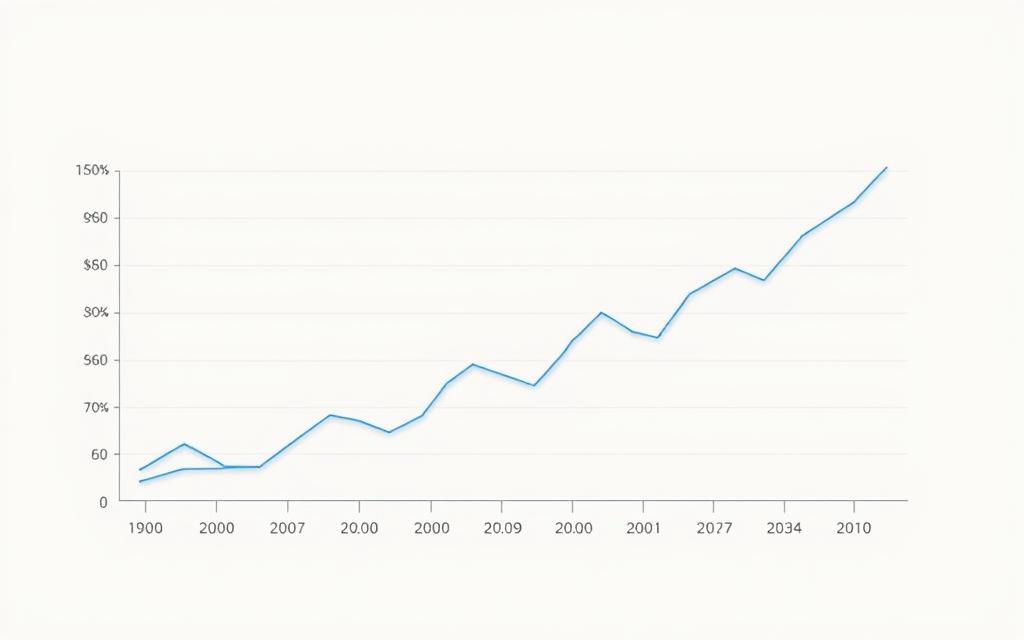
As you gain experience and specialise, your salary will grow. The U.S. Bureau of Labor Statistics says IT professionals earn a median of $97,430. Senior roles earn even more.
Mid-career, you could see a 40-60% salary boost. Roles in cybersecurity, data science, and cloud architecture can reach six figures in 5-7 years.
Industry Growth and Demand Trends
The job outlook for IT is very good, with faster growth than most jobs. Here are some specific areas to watch:
- Software developers: 25% growth projected
- Information security analysts: 32% growth projected
- Data scientists: 35% growth projected
This growth means about 667,600 new IT jobs over the next decade. The digital shift in many industries keeps demand high for IT skills.
Companies are investing more in technology, opening up jobs in healthcare, finance, education, and government. This demand helps IT graduates find stable and advancing careers.
Essential Skills and Competencies Developed
A Bachelor of Science in Information Technology programme prepares students for many challenges. It teaches both technical skills and soft skills that are valuable everywhere. These skills help graduates succeed in their careers.
Technical Proficiency and Expertise
Students learn about the latest technologies in IT. They master programming languages like Python and C++. These skills are key for software development and automation.
They also learn about cybersecurity to keep systems safe. Skills in database management, using SQL, help with organising and finding data.

Cloud computing, like AWS and Google Cloud, is a big part of the course. It shows how systems are changing. Students also learn about artificial intelligence and machine learning. This prepares them for new technologies.
Analytical and Problem-Solving Capabilities
IT professionals solve complex problems. The degree programme helps students think analytically. They work on projects that are like real-world challenges.
They learn to break down big problems into smaller ones. They use logical methods to find the best solutions. This skill is useful for fixing network problems and improving database performance.
Students also learn to understand and use data. These analytical capabilities are key skills for IT graduates.
Communication and Collaboration Skills
Being good at technology is not enough. Being able to explain it to others is just as important.
Team projects help students work well together. They learn to talk about technical things in a way that everyone can understand. This helps teams make better decisions.
They also learn about managing projects and presenting ideas. These communication skills are important for both technical and soft skills that employers want.
These skills make graduates versatile and ready for new technologies. They have the knowledge and people skills needed for a successful career.
Conclusion
A Bachelor of Science in Information Technology gives a solid base for digital careers today. It shows how BSIT programmes teach technical skills well. Students learn about programming, networking, and managing data.
Many wonder if getting an IT degree is worth it. The answer is yes. Graduates find jobs with good pay in a growing field. The tech world is expanding into more areas.
IT education is flexible and adaptable. You can specialise in areas like cybersecurity, cloud computing, or data analytics. This lets you move between roles as technology changes.
Staying up-to-date with new tech is key. Many graduates get certifications from Microsoft, Cisco, or CompTIA. These add to what they learned in school, keeping them current.
IT skills will keep being important in our digital world. A BSIT degree offers lasting value. It teaches the basics and how to apply them, setting graduates up for success in a changing world.
FAQ
What is a Bachelor of Science in Information Technology (BSIT) degree?
A BSIT degree is an undergraduate course. It prepares students for IT careers. You learn about computer science, information systems, and more.
It gives you the skills to work in the digital world. This includes technical and analytical abilities.
What career opportunities are available with a BSIT degree?
With a BSIT, you can become an IT Specialist or a Cybersecurity Analyst. You might also work as a Network Administrator or a Software Developer.
Jobs are available in healthcare, finance, and more. This shows how much IT professionals are needed.
What are the typical admission requirements for a BSIT programme?
To get into a BSIT programme, you usually need a high school diploma. Some prefer maths or science backgrounds. Each school has its own rules, but you’ll need good grades and sometimes extra courses.
How long does it take to complete a BSIT degree?
A BSIT degree takes about four years full-time. You need around 120 credit hours. If you have an associate degree, you might finish sooner.
What core subjects are covered in a BSIT curriculum?
The curriculum covers the basics of IT. You’ll learn programming, networking, and database management. These subjects are key to understanding both hardware and software.
Can I specialise within a BSIT degree?
Yes, you can specialise in areas like Cybersecurity or Data Analytics. You can also focus on Cloud Computing or Web Development. This lets you match your studies to your career goals.
What is the job outlook and salary for BSIT graduates?
IT jobs are growing fast, according to the U.S. Bureau of Labor Statistics. Salaries are good, and you can earn more with experience and certifications.
What skills will I develop through a BSIT programme?
You’ll learn technical skills like programming and cybersecurity. You’ll also improve your analytical and problem-solving abilities. These skills are vital for IT roles.
Is work experience or certification necessary alongside a BSIT degree?
Work experience or certifications are not always needed. But, they can make you more employable. Getting certified in areas like cybersecurity can also keep you up-to-date in the field.
How does a BSIT degree differ from a Computer Science degree?
A BSIT degree focuses on using technology in business. It covers networking and IT support. Computer Science, on the other hand, focuses on the theory and development of software. Both degrees have their own paths in the IT world.