

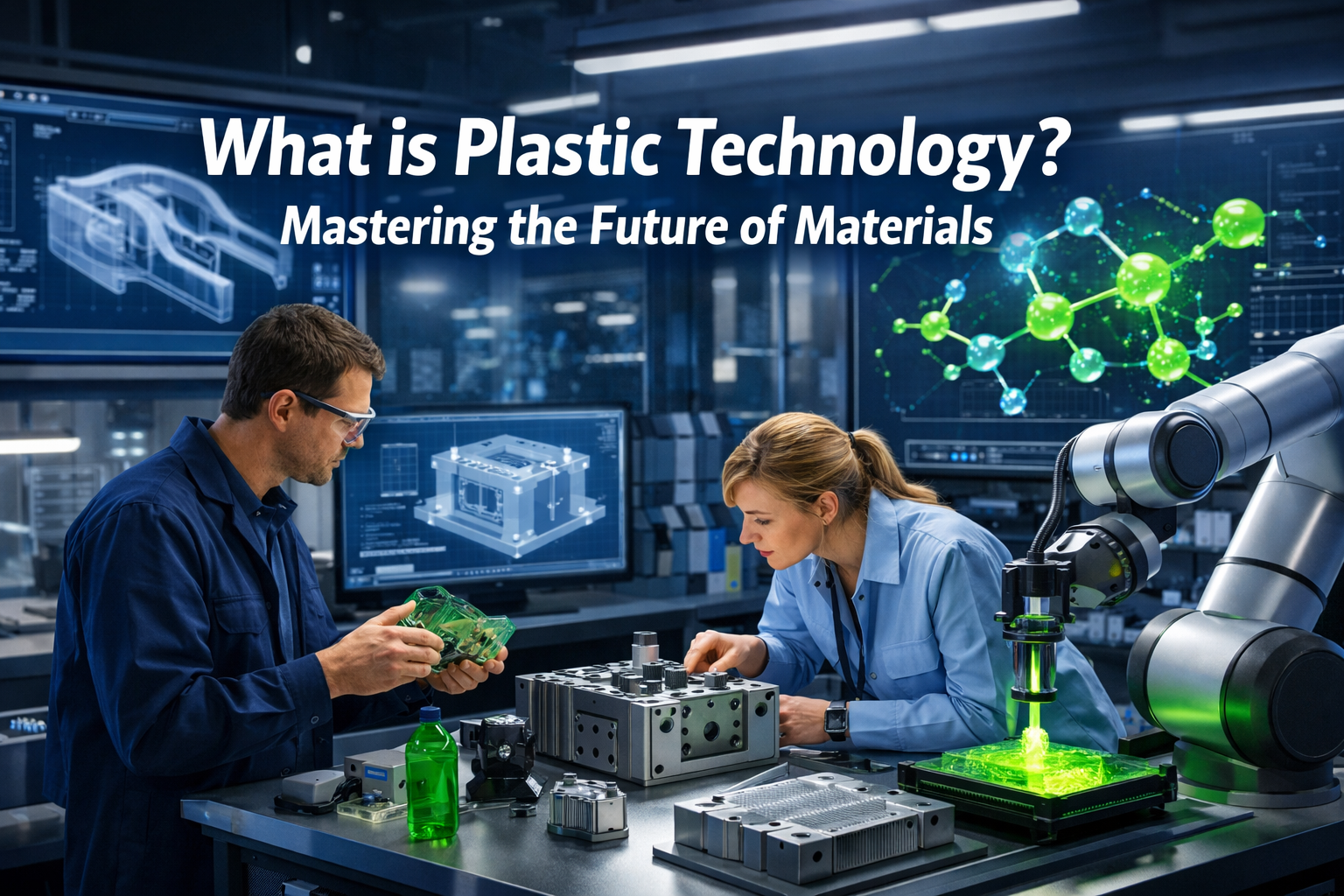
In a world increasingly shaped by advanced materials, understanding what is plastic technology is more crucial than ever in 2026. Far from being a simple material, plastics represent a vast and complex field of science and engineering that impacts virtually every aspect of modern life. From the packaging that protects our food to the lightweight components in electric vehicles and the life-saving devices in hospitals, plastics are indispensable. This comprehensive guide delves into the intricate world of plastic technology, exploring its fundamental principles, diverse applications, manufacturing processes, and the innovations driving its sustainable future.
✨ Key Takeaways ✨
- Plastic technology encompasses the science of polymers, their engineering into useful materials, and the manufacturing processes used to create products.
- It involves understanding polymer chemistry, material properties, processing techniques like injection molding and extrusion, and product design.
- Innovations in plastic technology are heavily focused on sustainability, including bio-based plastics, advanced recycling, and circular economy principles.
- The field is vital for diverse industries, contributing to advancements in medicine, aerospace, automotive, electronics, and consumer goods.
- Challenges such as environmental impact and waste management are driving significant research and development in polymer science and engineering.
Defining What is Plastic Technology: A Multidisciplinary Field
At its core, what is plastic technology refers to the scientific and engineering discipline dedicated to the study, development, processing, and application of polymeric materials, commonly known as plastics. It’s a broad field that draws upon principles from chemistry, physics, materials science, mechanical engineering, and chemical engineering. Plastic technologists are involved in every stage, from synthesizing new polymers to designing manufacturing equipment and developing end-of-life solutions for plastic products.
The term “plastic” itself comes from the Greek word “plastikos,” meaning “capable of being molded,” which perfectly encapsulates a defining characteristic of these materials: their ability to be formed into complex shapes under heat and pressure. This versatility is what makes plastics so ubiquitous in 2026.
The Evolution of Plastic Technology
The journey of plastic technology began in the mid-19th century with the discovery of semi-synthetic materials like celluloid. However, it was the early 20th century, with Leo Baekeland’s invention of Bakelite (the first fully synthetic plastic), that truly marked the dawn of the plastic age [1]. World War II significantly accelerated plastic development, as materials like nylon and Plexiglas became vital for military applications. Post-war, the widespread adoption of plastics revolutionized consumer goods, leading to the development of polyethylene (PE), polypropylene (PP), and polyvinyl chloride (PVC), among others.
Today, plastic technology is not just about creating new materials but also about optimizing existing ones for specific applications, enhancing their performance, and critically, addressing their environmental impact. The focus in 2026 is heavily on sustainable innovation.
Core Components of Plastic Technology
To truly grasp what is plastic technology, one must understand its fundamental pillars:
1. Polymer Science and Chemistry
This is the bedrock of plastic technology. It involves the study of polymers – large molecules made up of repeating smaller units called monomers. Polymer chemists synthesize new polymers and modify existing ones to achieve desired properties. Key areas include:
- Monomer Synthesis: Creating the building blocks for polymers.
- Polymerization Reactions: The chemical processes (e.g., addition polymerization, condensation polymerization) that link monomers into chains.
- Polymer Structure & Characterization: Understanding how molecular weight, chain branching, and crystallinity affect material properties.
- Additives and Compounding: Incorporating various substances (plasticizers, stabilizers, colorants, flame retardants, fillers) to enhance performance, appearance, and processability.
Polymerization:
The chemical process where small molecular units (monomers) react to form a long chain or network of larger molecules (polymers).





2. Materials Engineering and Properties
Once a polymer is synthesized, engineers must understand its physical, mechanical, thermal, and chemical properties to determine its suitability for various applications. This involves testing and analysis to characterize aspects like:
- Mechanical Properties: Tensile strength, impact resistance, flexibility, hardness, and creep.
- Thermal Properties: Melting point, glass transition temperature, thermal expansion, and heat distortion temperature.
- Chemical Resistance: How the plastic reacts to acids, bases, solvents, and environmental factors like UV light.
- Electrical Properties: Dielectric strength, resistivity, and insulation capabilities.
- Optical Properties: Transparency, haze, and color.
Understanding these properties is crucial for selecting the right plastic for a specific product, ensuring its durability and performance.
3. Plastic Processing and Manufacturing
This is where raw plastic materials are transformed into finished products. Plastic technology encompasses a wide array of manufacturing techniques, each suited for different shapes, sizes, and production volumes. Some of the most common include:
- Injection Molding: Molten plastic is injected into a mold cavity, ideal for producing complex, high-volume parts (e.g., bottle caps, automotive components).
- Extrusion: Plastic is melted and forced through a die to create continuous profiles like pipes, sheets, films, and wire coatings.
- Blow Molding: A heated plastic tube (parison) is inflated inside a mold, forming hollow objects like bottles and containers.
- Thermoforming: A plastic sheet is heated until pliable, then draped over a mold and shaped using vacuum or pressure (e.g., food trays, appliance liners).
- Rotational Molding: Plastic powder is heated in a rotating mold, creating hollow, seamless products with uniform wall thickness (e.g., large tanks, kayaks).
- 3D Printing (Additive Manufacturing): Layer-by-layer creation of objects directly from digital designs, enabling rapid prototyping and complex geometries.
The choice of processing method depends on the polymer type, product design, desired properties, and economic considerations. Optimizing these processes is a key aspect of plastic technology to ensure efficiency, quality, and cost-effectiveness.
Key Types of Plastics in Modern Technology
Plastics are broadly categorized into two main groups:
Thermoplastics:
A type of plastic polymer that becomes pliable or moldable above a specific temperature and solidifies upon cooling, capable of being melted and reshaped multiple times without significant degradation.
Questions about plastic exploring science also connect with signal cryptocurrency decoding market when readers compare closely related topics.
These are the most common type, accounting for about 80% of all plastic production [2]. They can be melted and reshaped multiple times without significant degradation, making them ideal for recycling. Examples include:
- Polyethylene (PE): Low-density (LDPE) for plastic bags and films; High-density (HDPE) for bottles, pipes, and crates.
- Polypropylene (PP): Strong, flexible, and heat-resistant; used in automotive parts, food containers, and textiles.
- Polyethylene Terephthalate (PET): Clear, strong, and lightweight; primarily used for beverage bottles and food packaging.
- Polyvinyl Chloride (PVC): Durable and versatile; found in pipes, window frames, flooring, and medical devices.
- Polystyrene (PS): Available as rigid (e.g., CD cases) or foamed (e.g., disposable cups, insulation).
- Acrylonitrile Butadiene Styrene (ABS): Tough and rigid, used in automotive trim, electronics casings, and LEGO bricks.
Thermosets:
A type of plastic material that is irreversibly cured from a viscous liquid prepolymer or resin into an infusible, insoluble polymer network through chemical reactions, making it permanently rigid and unable to be remelted.
These plastics undergo an irreversible chemical change when heated, forming a rigid, cross-linked structure that cannot be remelted or reshaped. They offer excellent heat resistance and dimensional stability but are harder to recycle. Examples include:
- Epoxy Resins: Used in adhesives, coatings, and composite materials (e.g., wind turbine blades).
- Phenolic Resins (Bakelite): Early synthetic plastic, still used in electrical components, brake linings, and billiard balls.
- Polyesters (unsaturated): Found in fiberglass composites, boat hulls, and automotive body fillers.
- Polyurethanes: Versatile materials used in foams (insulation, furniture), coatings, and adhesives.
In 2026, researchers are actively exploring ways to make thermosets more recyclable, such as developing “reprocessable thermosets” or improving chemical recycling methods for these complex polymers.
Applications and Impact of Plastic Technology
The reach of plastic technology extends into nearly every sector of the global economy. Its impact is profound, enabling innovations and improving quality of life across diverse industries.
1. Packaging
Perhaps the most visible application, plastics in packaging protect goods, extend shelf life, reduce food waste, and provide convenience. From lightweight films to rigid containers, plastic technology has revolutionized how products are stored and transported. Ongoing developments focus on thinner materials, better barrier properties, and increased recyclability.
2. Automotive and Transportation
Plastics are crucial for lightweighting vehicles, improving fuel efficiency (and increasing range in electric vehicles), and enhancing safety. Components like bumpers, dashboards, interior trim, and even some engine parts are made from advanced plastics and composites. The average car in 2026 contains hundreds of pounds of plastic, reducing its overall weight and CO2 emissions [3].
3. Healthcare and Medical Devices
Sterility, biocompatibility, and flexibility make plastics indispensable in medicine. Applications range from syringes and IV bags to prosthetics, surgical instruments, and advanced drug delivery systems. Innovations in medical-grade plastics are continuously improving patient care and safety.
4. Electronics and Electrical
Plastics provide insulation, protection, and structural support for electronic components. They are found in casings for smartphones, laptops, televisions, wires, and circuit boards. Flame-retardant and high-performance engineering plastics are critical for safety and durability in this sector.
5. Construction and Infrastructure
Durable, corrosion-resistant, and cost-effective plastics are used in pipes (PVC, PE), insulation, roofing membranes, window frames, and flooring. Their long lifespan and low maintenance contribute to sustainable building practices.
6. Consumer Goods and Textiles
From toys and furniture to sports equipment and clothing, plastics offer design flexibility, durability, and affordability. Polyester and nylon are dominant fibers in the textile industry.
The Future of Plastic Technology: Sustainability and Innovation in 2026
The challenges associated with plastic waste and environmental pollution have brought sustainability to the forefront of plastic technology. The industry in 2026 is undergoing a significant transformation, driven by a commitment to a circular economy and responsible material management.
1. Bio-based and Biodegradable Plastics
This area focuses on developing plastics from renewable biomass sources (e.g., corn starch, sugarcane, algae) instead of fossil fuels. Biodegradable plastics are designed to decompose naturally in specific environments, offering solutions for certain single-use applications or waste streams. While promising, challenges remain in terms of scalability, cost, and ensuring proper disposal infrastructure [4].
2. Advanced Recycling Technologies
Beyond traditional mechanical recycling, plastic technology is investing heavily in advanced methods:
- Chemical Recycling: Breaking down polymers into their original monomers or other valuable chemical feedstocks, allowing for the creation of “virgin-quality” plastic from waste. Technologies include pyrolysis, gasification, and depolymerization.
- Solvent-based Recycling: Dissolving specific polymers from mixed waste streams, then precipitating the pure polymer, which can then be reused.
- Energy Recovery: Converting plastic waste into energy through incineration with energy capture, often seen as a last resort but valuable for non-recyclable fractions.
These advanced techniques are crucial for handling complex, mixed, or contaminated plastic waste that mechanical recycling cannot process effectively.
3. Design for Circularity
Plastic technologists are increasingly focused on “designing out waste” from the very beginning of the product lifecycle. This involves:
- Using mono-materials to simplify recycling.
- Minimizing the use of problematic additives.
- Designing products for easy disassembly and component recovery.
- Creating durable, long-lasting products that can be repaired or refurbished.
“The paradigm shift in plastic technology for 2026 is from a linear ‘take-make-dispose’ model to a circular ‘reduce-reuse-recycle’ economy, demanding innovation at every stage of a plastic product’s life.” – Industry Expert, 2026.
4. Smart and Functional Plastics
Emerging areas include plastics with integrated functionalities:
- Self-healing Plastics: Materials that can repair minor damage autonomously, extending product lifespan.
- Conductive Plastics: Used in flexible electronics, sensors, and electromagnetic shielding.
- Antimicrobial Plastics: Incorporating agents to inhibit bacterial growth, particularly valuable in healthcare and food packaging.
- Sensory Plastics: Materials that can change color, shape, or other properties in response to environmental stimuli.
5. Digitalization and AI in Plastic Technology
The integration of artificial intelligence, machine learning, and advanced simulation tools is transforming plastic product design, process optimization, and quality control. AI can predict material behavior, optimize mold designs for faster cycles, and improve defect detection in manufacturing. Digital twins are becoming more common for simulating entire production lines.
Challenges and Opportunities in Plastic Technology
Despite its vast benefits, plastic technology faces significant challenges, particularly concerning its environmental footprint. However, these challenges also present immense opportunities for innovation and growth.
Challenges:
- Waste Management: The sheer volume of plastic waste, especially single-use plastics, overwhelms current waste management infrastructure globally.
- Microplastic Pollution: The breakdown of plastics into tiny particles poses risks to ecosystems and potentially human health.
- Reliance on Fossil Fuels: Most plastics are still derived from non-renewable resources, contributing to carbon emissions.
- Complexity of Recycling: Mixed plastic waste, complex multi-material products, and contamination make recycling difficult and costly.
- Public Perception: A negative public perception often overshadows the beneficial roles of plastics, creating pressure for material alternatives, even when plastics are the most sustainable option.
Opportunities:
- Circular Economy Leadership: Companies and countries leading in circular plastic solutions can gain a competitive advantage.
- New Material Development: Creation of novel polymers with superior performance, enhanced recyclability, or biodegradability.
- Technological Advancements: Further development of chemical recycling, bio-based feedstocks, and advanced manufacturing (like 3D printing) can revolutionize the industry.
- Cross-Sector Collaboration: Partnerships between chemical companies, manufacturers, waste management firms, and policymakers are essential to create effective solutions.
- Consumer Education: Empowering consumers with knowledge about proper sorting, recycling, and the benefits of responsible plastic use.
How To: Understanding the Lifecycle of a Plastic Product
Step 1: Raw Material Extraction
Understand that most plastics originate from fossil fuels (petroleum and natural gas) through processes like cracking, which breaks down hydrocarbons into monomers. Bio-based plastics, however, use renewable resources like corn starch or sugarcane.
Step 2: Polymerization
Learn about polymerization, the chemical process where small monomer molecules link together to form long chains called polymers. This step is crucial in determining the type and properties of the plastic material.
Step 3: Compounding and Additives
Explore how raw polymers are often mixed with various additives (e.g., colorants, stabilizers, flame retardants, plasticizers) through a process called compounding. These additives enhance the plastic’s performance, appearance, and processability.
Step 4: Manufacturing Processes
Familiarize yourself with different plastic processing techniques such as injection molding, extrusion, blow molding, thermoforming, and rotational molding. Each method is suited for producing specific types of plastic products and shapes.
Step 5: Product Use and Application
Observe how plastic products are used across countless industries—from packaging and automotive to medical devices and construction. Consider the specific properties of the plastic chosen for each application.
Step 6: End-of-Life Management
Investigate the end-of-life options for plastic products, including mechanical recycling (shredding, washing, melting, re-pelletizing), chemical recycling (breaking down polymers to monomers or oils), energy recovery (incineration for energy), and disposal in landfills. The goal is to maximize recycling and minimize waste.
Frequently Asked Questions about What is Plastic Technology?
What are the main types of plastics?
The main types of plastics are thermoplastics, which can be melted and reshaped multiple times (e.g., PET, HDPE, PVC, LDPE, PP, PS), and thermosets, which undergo an irreversible chemical change upon heating and cannot be remelted (e.g., epoxy, phenolic resins, polyesters). Thermoplastics account for the vast majority of plastic production due to their versatility and recyclability.
How does plastic technology contribute to sustainability?
Plastic technology contributes to sustainability through innovations in bio-based plastics, biodegradable polymers, advanced recycling techniques (mechanical, chemical, and energy recovery), and lightweighting applications that reduce fuel consumption in transport. It also focuses on developing more durable and long-lasting plastic products, reducing the need for frequent replacement.
What is the future of plastic technology?
The future of plastic technology in 2026 and beyond is centered on circular economy principles. This includes advanced materials with enhanced performance and sustainability profiles, smart plastics with integrated functionalities, additive manufacturing (3D printing) for complex designs, and novel recycling and waste management solutions to minimize environmental impact. The focus is on creating value from plastic waste and reducing reliance on virgin fossil resources.
Conclusion
Understanding what is plastic technology reveals a dynamic and indispensable field that underpins much of modern civilization. From its foundational polymer chemistry to its intricate manufacturing processes and diverse applications, plastics have delivered unparalleled benefits in terms of cost-effectiveness, versatility, and performance. As we move further into 2026, the narrative around plastic technology is rapidly evolving, driven by an urgent need for sustainability.
The future of plastics is not about elimination but about intelligent design, responsible consumption, and innovative end-of-life solutions. Significant advancements in bio-based materials, advanced recycling techniques, and circular design principles are transforming the industry, promising a more sustainable and resource-efficient future. Plastic technologists and engineers are at the forefront of this transformation, continually pushing the boundaries of material science to create materials that are not only high-performing but also environmentally responsible. Engaging with these innovations and supporting the shift towards a circular economy is crucial for harnessing the full potential of plastic technology for generations to come.
Actionable Next Steps:
- Educate Yourself: Continue to learn about different plastic types and their appropriate disposal methods.
- Support Innovation: Look for products made from recycled content, bio-based plastics, or those designed for circularity.
- Advocate for Infrastructure: Encourage investment in improved recycling and waste management infrastructure in your community.
- Reduce, Reuse, Recycle: Practice the fundamental principles of waste management in your daily life.
- Stay Informed: Follow developments in plastic technology to understand how new solutions are emerging to address environmental concerns.
References
- Baekeland, L. H. (1909). The Synthesis, Constitution, and Uses of Bakelite. *Journal of Industrial and Engineering Chemistry*, 1(3), 149-161.
- Plastics Europe. (2021). *Plastics – the Facts 2021: An analysis of European plastics production, demand and waste data*. Retrieved from plasticseurope.org
- American Chemistry Council. (2020). *Plastics in Automotive*. Retrieved from americanchemistry.com
- European Commission. (2018). *A European Strategy for Plastics in a Circular Economy*. Retrieved from ec.europa.eu